

Rugs
Explore More Rugs.

-
Best Seller$21.24 - $424.99 with code GOSHOP15
 $24.99 - $499.99 Reg.
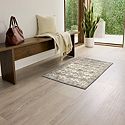
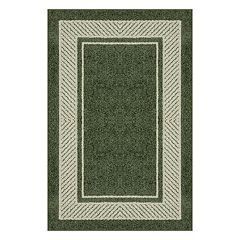
Sonoma Goods For Life® Estate Border Area & Washable Throw Rug


-
Best Seller$16.99 - $246.49 with code GOSHOP15
$19.99 - $289.99 Reg.
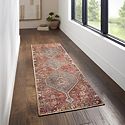
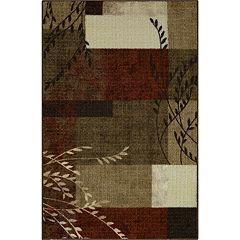
Maples Highland Textured Print Multicolor Area & Washable Throw Rugs
-
$59.49 - $152.99 with code GOSHOP15
$69.99 - $179.99 Reg.
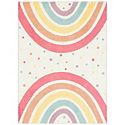
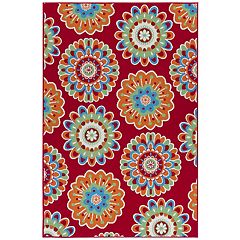
Sonoma Goods For Life® Floral Medallion Indoor / Outdoor Area or Throw Rug
-
Best Seller$16.99 - $118.99 with code GOSHOP15
$19.99 - $139.99 Reg.
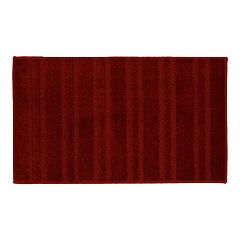
Sonoma Goods For Life® Ultimate Performance Stripe Area and Throw Rug
-
$11.04 - $33.99 with code GOSHOP15
$12.99 - $39.99 Reg.
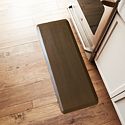
Sonoma Goods For Life® Washable Throw & Kitchen, Entry or Laundry Room Rug
-
$30.59 - $438.59 with code GOSHOP15
$35.99 - $515.99 sale $44.99 - $644.99 Reg.
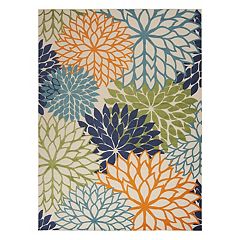
Nourison Aloha Dahlia Tropical Outdoor Rug
-
Best Seller$12.74 - $509.99 with code GOSHOP15
$14.99 - $599.99 Reg.
Sonoma Goods For Life® Ultimate Performance Super Soft Washable Rug
-
$20.39 - $316.19 with code GOSHOP15
$23.99 - $371.99 sale $29.99 - $464.99 Reg.
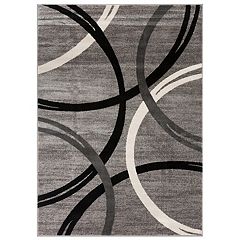
World Rug Gallery Toscana Modern Abstract Circles Rug
-
Best Seller$12.74 - $135.99 with code GOSHOP15
$14.99 - $159.99 Reg.
Sonoma Goods For Life® Encore Faux Sisal Washable Rug
-
$13.59 - $183.59 with code GOSHOP15
$15.99 - $215.99 sale $19.99 - $269.99 Reg.
Nourison Astra Vintage Medallion Washable Indoor Rug
-
-
$12.74 - $59.49 with code GOSHOP15
$14.99 - $69.99 Reg.
Sonoma Goods For Life® Weave Washable Accent Rug
-
$127.49 - $297.49 with code GOSHOP15
$149.99 - $349.99 Reg.
Sonoma Goods For Life® Dream Step Area Rug
-
Best Seller$12.74 - $382.49 with code GOSHOP15
$14.99 - $449.99 Reg.
Sonoma Goods For Life® Covington Area & Washable Throw Rug
-
$16.99 - $424.99 with code GOSHOP15
$19.99 - $499.99 Reg.
Sonoma Goods For Life® Windsor Distressed Area & Washable Throw Rug
-
$11.04 - $152.99 with code GOSHOP15
$12.99 - $179.99 Reg.
Sonoma Goods For Life® Cabanna Stripe Indoor/Outdoor Accent + Area Rugs
-
$13.59 - $254.99 with code GOSHOP15
$15.99 - $299.99 sale $19.99 - $374.99 Reg.
nuLoom Monique Floral Indoor/Outdoor Area Rug
-
$13.59 - $339.99 with code GOSHOP15
$15.99 - $399.99 sale $19.99 - $499.99 Reg.
Nourison Essentials Contemporary Bordered Indoor/Outdoor Rug
-
-
$16.99 - $199.74 with code GOSHOP15
$19.99 - $234.99 Reg.
Maples Calista Area and Washable Throw Rug
-
$59.49 - $152.99 with code GOSHOP15
$69.99 - $179.99 Reg.
Sonoma Goods For Life® Framed Border Indoor Outdoor Rug
-
-
$16.99 - $543.99 with code GOSHOP15
$19.99 - $639.99 sale $24.99 - $799.99 Reg.
nuLOOM Bodrum Blythe Geometric Rug
-
$27.19 - $183.59 with code GOSHOP15
$31.99 - $215.99 sale $39.99 - $269.99 Reg.
Liora Manne Marina Circles Indoor Outdoor Rug
-
-
$11.04 - $152.99 with code GOSHOP15
$12.99 - $179.99 Reg.
Sonoma Goods For Life® Diamond Border Indoor/Outdoor Accent + Area Rugs
-
$30.59 - $190.39 with code GOSHOP15
$35.99 - $223.99 sale $44.99 - $279.99 Reg.
nuLoom Lenore Vintage Floral Area Rug
-
$11.04 - $118.99 with code GOSHOP15
$12.99 - $139.99 Reg.
Sonoma Goods For Life® Floral Medallion Indoor/Outdoor Area Rug
-
$23.79 - $1,985.59 with code GOSHOP15
$27.99 - $2,335.99 sale $34.99 - $2,919.99 Reg.
nuLOOM Wynn Braided Indoor Outdoor Area Rug
-
$20.39 - $214.19 with code GOSHOP15
$23.99 - $251.99 sale $29.99 - $314.99 Reg.
World Rug Gallery Wynn Abstract Rug
-
$30.59 - $37.39 with code GOSHOP15
$35.99 - $43.99 sale $44.99 - $54.99 Reg.
Martha Stewart Mira Modern Heathered Anti-Fatigue Air-Infused Kitchen Mat
-
-
$30.59 - $271.99 with code GOSHOP15
$35.99 - $319.99 sale $44.99 - $399.99 Reg.
nuLoom Asha Simple Border Indoor/Outdoor Area Rug
-
$13.59 - $163.19 with code GOSHOP15
$15.99 - $191.99 sale $19.99 - $239.99 Reg.
Home Dynamix Premium Sakarya Area Rug
-
$23.79 - $242.24 with code GOSHOP15
$27.99 - $284.99 $34.99 - $284.99 Reg.
Liora Manne Carmel Dragonfly Indoor Outdoor Rug
-
$25.49 - $33.99 with code GOSHOP15
$29.99 - $39.99 Reg.
Sonoma Goods For Life® Neoprene Low-Profile Kitchen Utility Mat
-
$59.49 - $152.99 with code GOSHOP15
$69.99 - $179.99 Reg.
Sonoma Goods For Life® Exploading Palms Indoor/Outdoor Area Rug
-
$16.99 - $416.49 with code GOSHOP15
$19.99 - $489.99 Reg.
Sonoma Goods For Life® Printed Washable Area and Throw Rug
-
$27.19 - $316.19 with code GOSHOP15
$31.99 - $371.99 sale $39.99 - $464.99 Reg.
World Rug Gallery Toscana Contemporary Abstract Circle Rug
-
$16.99 - $312.79 with code GOSHOP15
$19.99 - $367.99 sale $24.99 - $459.99 Reg.
Nourison Essentials Indoor Outdoor Rug
-
$16.99 - $224.39 with code GOSHOP15
$19.99 - $263.99 sale $24.99 - $329.99 Reg.
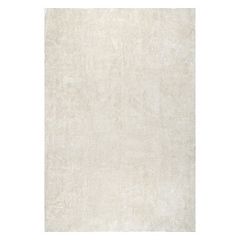
nuLOOM Kara Solid Shag Area Rug
-
-
$19.11 - $279.21 with code GOSHOP15
$22.49 - $328.49 sale $24.99 - $364.99 Reg.
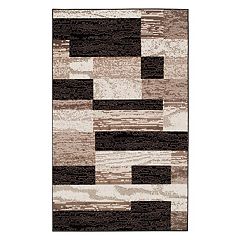
SUPERIOR Rockwood Contemporary Geometric Patchwork Area Rug
-
$27.19 - $50.99 with code GOSHOP15
$31.99 - $59.99 sale $39.99 - $74.99 Reg.
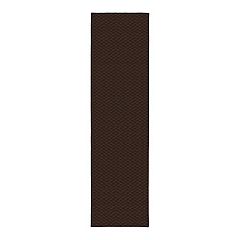
Garland Medallion Rug Runner
-
-
$16.99 - $373.99 with code GOSHOP15
$19.99 - $439.99 sale $24.99 - $549.99 Reg.
nuLOOM Thigpen Contemporary Area Rug
-
$20.39 - $237.99 with code GOSHOP15
$23.99 - $279.99 sale $29.99 - $349.99 Reg.
nuLoom Loni Solid Machine Washable Shag Area Rug
-
$20.39 - $139.39 with code GOSHOP15
$23.99 - $163.99 sale $29.99 - $204.99 Reg.
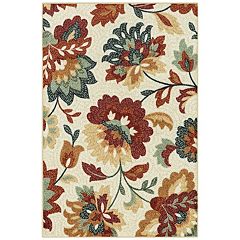
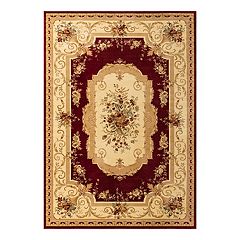
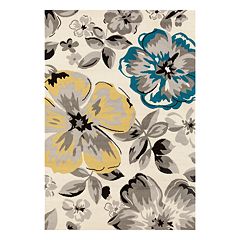
World Rug Gallery Newport Modern Floral Area Rug
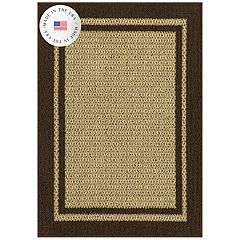

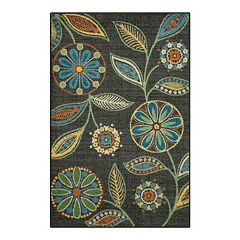
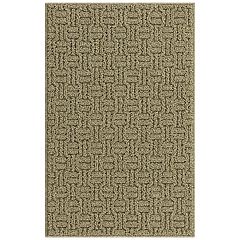
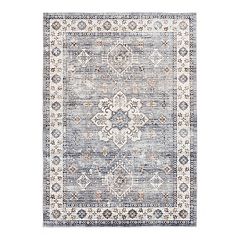










Top Rug Searches:
Types of Rugs
Enhance your home decor with the aesthetic appeal and functional benefits of Area Rugs from Kohl's! Shop by brand, material, and pattern to find the perfect rug that adds a lavish touch to your interior design. With rugs from Kohl's, you can tie any room together by pulling elements of the rug into throw pillows, art, and accessories. Whether you're looking for kitchen rugs, outdoor rugs, or a doormat, shop Kohl's for all your home décor essentials!
With so many rug options available, it can be difficult knowing which rug is the best fit for you and your home. To get you started on your search, below are 5 different types of rugs. Read on to learn more about each one and what makes them unique.
Hand-Knotted Rugs
When it comes to area rugs and carpets, hand-knotted rugs are the best choice for quality and style! Also referred to as Oriental rugs, hand-knotted rugs are skillfully crafted by hand on a specially designed loom. Because it takes time and craftsmanship to create the rug, hand-knotted rugs often last for hundreds of years and are sporadically passed down from generation to generation. With a variety of intricate designs and patterns, the classic style and framed border on this type of rug will complement your decor and add color to any home with pure class!
Hand-Tufted Rugs
Update your living or dining area with a charming hand-tufted rug! If you're searching for a legendary style, you'll simply treasure a time-defying Artisan Weaver rug! Do you want to create a welcoming living environment? Opt for a plush wool Safavieh Cambridge chevron rug featuring a cotton backing chevron pattern.
Unlike a hand-knotted rug, a hand-tufted rug is not fully hand made. While they do have a handmade look, hand-tufted rugs don't maintain the distinguished look and detail. However, this is a great choice if you're searching for the look of a hand-knotted rug but at a lower price.
Hand-Woven Rugs
Keep up on the latest trends with a gorgeous hand-woven rug! Featuring a reversible design and eye-catching texture, a hand-woven rug adds fresh charm to any space. Shop popular brands such as Surya, Barclay Butera, and Momeni! The versatile design makes this area rug perfect for any decorating theme. No matter your style, you'll love using this area rug.
Braided Rug
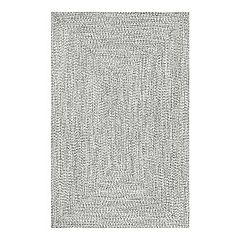
Revive your home's decor with the classic look of a braided rug! Featuring a braided, reversible design you'll love the look and feel of this versatile rug. Choose from a wide selection of colors including beige/khaki, green, and multi-color to match a variety of home decor! Enjoy the benefits of a soft, yet strong construction that ensures long-lasting quality.
Shag Rug
You're sure to fall in love with the soft texture of a shag rug from Kohl's! Add a touch of warmth and comfort to any room from a variety of brands including Safavieh, StyleHaven, and Nourison. Whether you're looking for an area, runner, or throw rug, you'll find just what you need to take your home decor to the next level.
We have various styles of rugs and carry the brands you love! No matter what size, brand, or color you're looking for, Kohl's has a wide selection of area rugs to give you the look and feel you've been searching for. Shop Kohl's for all your area rug needs, and give your home an updated look today!
From the Blog: