| |
Jewelry
|
Priceless
jewelry information!
We've created this guide to help give you a great jewelry
shopping experience! To learn more, visit each of our links
above.
|
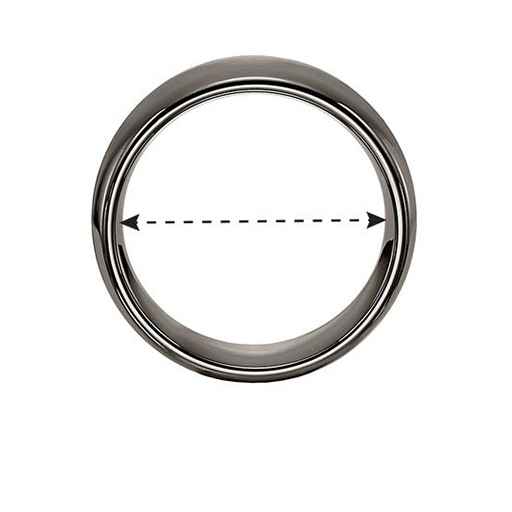
Ring
Sizer
 |
Just follow our easy
instructions below to find out!
- Click
here to download our printable ring sizer.
- Open ring sizer in Adobe Acrobat.
(Click
here if you do not have Adobe Acrobat.)
- Print the image.
- Follow the simple instructions (Included
on the ring sizer printout).
|
Back to Jewelry
Back to top
Care
& Maintenance*
|

|
Diamonds |
Cleaning: Use a soft brush and
jewelry cleaning solution or warm, soapy water. An ultrasonic cleaner
may also by used. Wipe dry with a lint-free soft cloth.
Maintenance: If worn on a regular
basis, a diamond should be cleaned at home every 2-3 weeks. And
cleaned professionally every 6-9 months. It's also a good idea to
have prongs checked for wear or possible loose stones.
Tips: Although diamonds are the
hardest known substance, a blow of sufficient force can crack, chip
or even break a diamond. Avoid sharp blows and don't wear fine jewelry
when doing housework, gardening, playing sports, etc.
Other Information: When storing
diamond jewelry, it is a good idea to keep diamonds separated from
other stones. This helps avoid scratches on your other jewelry.
|

|
Gold |
Cleaning: Between professional
cleanings, gold can be maintained by using a soft brush or cloth
with a nonabrasive cleaner.
Maintenance: Examine jewelry regularly
to make sure settings are snug and clasps and joinings are secure.
Tips: As with all metals, do not
wear gold jewelry in swimming pools because the chlorine may cause
damage over a period of time.
Other Information: Gold is very
soft in its pure form. For example, 24k (pure gold) is softer and
less scratch-resistant than 14k and 10k gold.
|

|
Gemstones |
Amethyst, Citrine, Garnet, Ruby, Sapphire:
Clean with a soft brush and jewelry cleaner or warm, soapy water.
Ultrasonic cleaners may also be used.
Aquamarine, Blue Topaz: It's best
to use jewelry cleaner or warm, soapy water and a soft brush only.
Do not use ultrasonic machines to clean these stones.
Other Information: Amethyst, aquamarine
and citrine all fade or change color after prolonged exposure to
the sun.
|

|
Emeralds |
Cleaning: They may be cleaned
gently with a soft brush and lukewarm water, but are best cleaned
professionally by a jeweler. It is not recommended to immerse them
in cleaning solutions (never wear your emeralds in the bath, shower
or when doing dishes) and ultrasonic cleaners should never be used.
Tips: Since treatment is not permanent,
it is recommended to have emeralds professionally re-oiled every
1 to 2 years.
|

|
Opals |
Cleaning: You may clean them with
a soft brush and warm, soapy water, but never use harsh chemical
cleaners or immerse in an ultrasonic cleaner.
Tips: Apply a thin film of light
oil with a swab or cloth to the surface of the stone (never soak
it) at 6-month intervals to provide an extra measure of protection
against dryness and cracking.
|

|
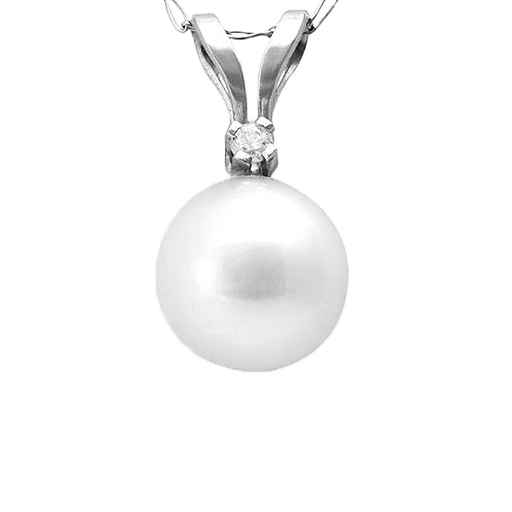
Pearls |
Cleaning: Wipe gently with a
soft, lint-free cloth after each wearing. Although they are best
maintained by professional cleaning, mild soap and water may be
used. Dry on a soft, absorbent surface, and never hang to dry.
Tips: Store separately from other
jewelry. Do not wear while applying makeup, hair spray and perfumes.
|

|
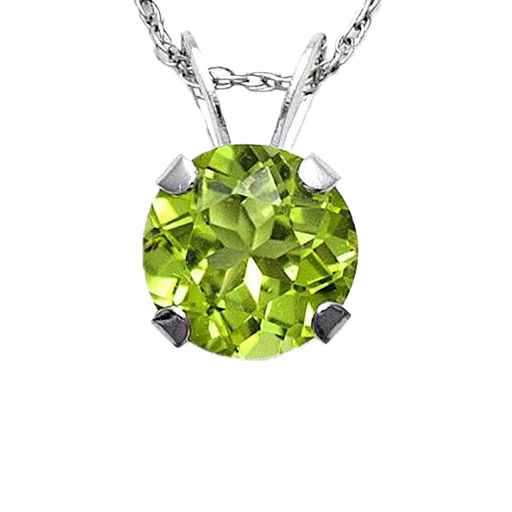
Peridots |
Cleaning: Use a soft brush with
warm, soapy water to clean. Avoid the use of ultrasonic cleaners.
Tips: Should be handled with more
care than some other gemstones. Avoid sudden changes in temperature
or contact with caustic household substances.
* These guidelines are general jewelry care &
maintenance suggestions only. They are not specific to any particular
products sold on Kohls.com.
Back to Care &
Maintenance
Back to top
Birthstones
A set of twelve gemstones that are associated
with births during a specific zodiac sign or month of the year.
Stones vary by culture.
|
Month
|
Birthstone
|
Picture
|
Symbol & Meaning
|
| January |
Garnet |
 |
Constancy
Faith, eternity, truth, natural energy, self-confidence, creativity,
friendship, constancy and good health.
|
| February |
Amethyst |
 |
Sincerity
Tranquility, sincerity, courage, calmness, spirituality and
health.
|
| March |
Aquamarine |
 |
Courage
Happiness, youth, calmness, tranquility and courage.
|
| April |
Diamond |
 |
Innocence
Love, innocence, clarity, strength and courage.
|
| May |
Emerald |
 |
Success
Love, prosperity and eternity.
|
| June |
Pearl |
 |
Health
Peace, love, innocence, wealth and purity.
|
| July |
Ruby |
 |
Contentment
Love, freedom and peace.
|
| August |
Peridot |
 |
Happiness
Protection and happiness.
|
| September |
Sapphire |
 |
Insight
Truth, clarity, clear-thinking, sky and heaven.
|
| October |
Opal |
 |
Hope
Hope, good fortune and purity.
|
| November |
Citrine |
 |
Protection
Romance, enlightenment, increase self-esteem and success.
|
| December |
Blue Topaz |
 |
Strength
Success, luck, forgiveness, strength and happiness.
|
Back to
Birthstones
Back to top
Precious Stones
More opaque than traditional gemstones, the natural elegance of precious stones is sure to capture your attention.
Stones |
Picture |
Description |
| Cateye |
 |
Derived from the French word chatoyancy, which literally means "cat's eye," these unique stones have a lighter colored line down their center, simulating the look of a feline eye. |
| Turquoise |
 |
These blue-green stones have dark brown or black freckles, giving them a rustic, natural look. Used frequently in Native American jewelry. |
| Quartz |
 |
One of the earth's most abundant minerals, quartz stones come in a rainbow of colors. They can be polished or left with a natural, faceted finish. |
| Onyx |
 |
Onyx stones are a specific variety of quartz in a striking black. Often polished for a stunning shine. |
| Mother-of-Pearl |
 |
Otherwise known as "nacre," mother-of-pearl is an iridescent substance found inside shells. |
| Chalcedony |
 |
These bluish-gray stones have a waxy luster, giving their translucent shapes an intentionally cloudy finish. |
| Carnelian |
 |
A variant of chalcedony, carnelian stones vary from a deep reddish-brown to a peachy flesh tone. |
| Marcasite |
 |
These pyrite stones are typically black with a greenish shine, resembling the iridescence of an oil spot. |
| Olivine |
 |
Also known as "peridot," olivine stones come in a natural green tone. While peridot is practically translucent, olivine is significantly more opaque. |
| Jade |
 |
Considered the "imperial gem" of China, the milky-green beauty of jade is recognized the world over. Made of calcium-rich minerals, these stones are most stunning when polished to a glossy finish. |
Back to
Precious Stones
Back to top
Types of Cuts
The way a gemstone is cut can maximize its sparkle and beauty.
Cut |
Picture |
Description |
| Round |
 |
The most popular gemstone cut, characterized by exquisite fire and brilliance. Accounts for 75% of all gemstone cuts today. |
| Princess |
 |
A relatively new cut with a square or slightly rectangular shape. |
| Emerald |
 |
Also known as a "step cut," these rectangular gemstones have a clean, modern look. |
| Cushion |
 |
One of the most brilliant cuts available, the cushion cut has deeper facets and rounded corners, making its fire even more evident. |
| Asscher |
 |
This antique style of cut has stepped facets and cropped corners like the emerald cut with the shape of a princess cut. |
| Oval |
 |
Evenly cut and perfectly symmetrical, the oval cut has the fire of a round cut in an elongated package. |
| Marquise |
 |
Created to mimic the gorgeous smile of the Marquise de Pompadour, this cut has tapered ends and a lean center. |
| Pear |
 |
A combination of the oval and marquise cuts, these teardrop-shaped gems make wonderful side stones, pendants and earrings. |
| Radiant |
 |
Radiant cuts meld the brilliance of round cuts and the shape of princess cuts, maximizing fire with their many facets. |
| Heart |
 |
A lovely cut that is essentially an upside-down pear cut with a notch in the top. |
| Trillion |
 |
This triangular-shaped cut varies between traditional straight lines to more rounded edges. Works beautifully as a side stone or in solitaire earrings. |
| Bullet |
 |
Used primarily as a side stone, the bullet cut adds a triangular shape to the end of a rectangular stone. |
Back to
Types of Cuts
Back to top
Settings
A gem's setting is what makes it unique, letting you show off your personal sense of style.
Setting |
Picture |
Description |
| Channel |
 |
A tension setting that holds gemstones only by a slight rim of metal, which runs along the edges of the channel. Channel-set jewels are usually round or baguette shaped. |
| Pavé |
 |
To maximize the sparkle of smaller stones, they are positioned close together and set apart by tiny beads of precious metal. Round-cut stones are commonly used. |
| Prong |
 |
Traditional prong settings lift the gemstone away from the metal, holding it only by the corners. More light is allowed into the stone, creating excellent brilliance. |
| Trellis |
 |
This setting crosses under the gemstone, creating the appearance of a trellis one would commonly find in a garden. It lifts the stone like traditional prong settings, but adds a touch of dramatic flair. |
| Cathedral |
 |
Crafted to imitate flying buttresses, the band in cathedral settings extends fully to meet the center stone on either side. This provides extra protection, keeping the gem safe. |
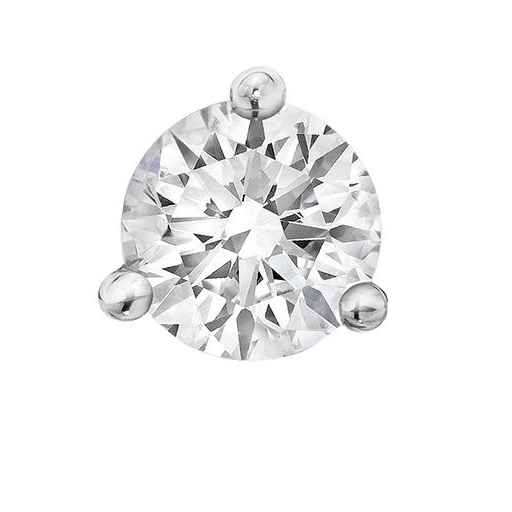
| Martini |
 |
A toastable setting shaped like a V, holding the stone with subtle prongs. Made to look like the traditional martini glass, it works best with round and princess-cut stones. |
| Bezel |
 |
A ring of precious metal wraps fully around the gemstone, holding it securely in place. Creates a very modern look. |
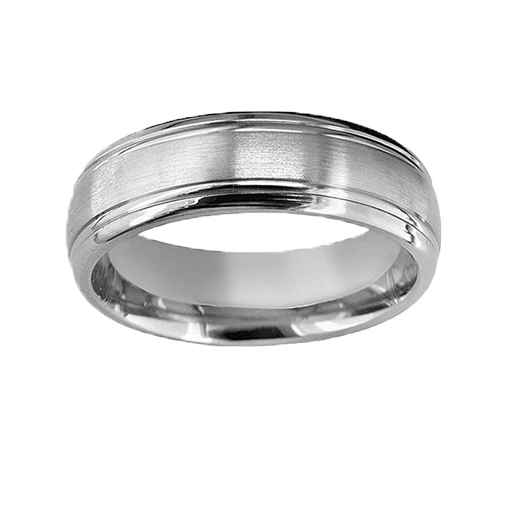
| Flush |
 |
Flush settings are most commonly found in men's jewelry where the gem table is even with the band. A stylish, subtle way to set small stones. |
Back to
Settings
Back to top
Clasps & Chains
Keeping your jewelry safely in place is just why these special closures were made! And with so many different chain styles available, mixing and matching to create the perfect accessory has never been easier.
Clasp |
Picture |
Description |
| Spring-Ring Clasp |
 |
Used for necklaces and bracelets, this round, hinged closure provides a secure fit. |
| Lobster-Claw Clasp |
 |
A secure type of closure for necklaces and bracelets, shaped like a lobster claw. |
| Safety Clasp |
 |
These levered closures are usually used for bracelets. Typically deployed by holding down a pressure hook. |
| Toggle Clasp |
 |
Typified by an anchoring bar that slides into a circular end, these closures are mostly found on bracelets. |
| Frenchwire |
 |
Lightweight, clasped earring design similar to a hook-and-eye closure. |
| Leverback |
 |
Earrings get extra security from this hinged closure. Also commonly referred to as a Euro clasp. |
| Screwback Post |
 |
These secure backings screw into place. Especially important for larger or more valuable stones. |
| Wire Back |
 |
A type of tubular earring where the backing is secured by sliding into the hoop, creating a flawless look through the ear. |
Chain |
Picture |
Description |
| Box |
 |
A simple, sleek chain with a boxlike shape. Typically more slender, it makes a perfect pair with delicate gemstone pendants. |
| Omega |
 |
Rectangular links are woven tightly together, creating a flawless, domed look. Pendants slide easily along these smooth chains. |
| Rope |
 |
With a tried and true, ropelike weave design, rope chains are generally thicker. |
| Perfectina |
 |
Typified by circular links braided very close together, these chains look fabulous on their own. |
| Singapore |
 |
Delicate, circular links are strung loosely along Singapore chains for excellent sparkle. |
| Snake |
 |
Crafted to copy the sleek scales of a snake, this thin chain is great on its own or with a larger pendant. |
| Tornado |
 |
Like a snake chain, but twisted, this smooth chain pairs perfectly with pendants large and small. |
| Bismarck |
 |
With a basket weavelike finish, the open oval links of these chains can vary from one to three wide. Works well in bracelets as well as necklaces. |
| Venetian Box |
 |
The open links of the Venetian box chain make it less visually dense than the traditional box chain. |
| Fox Tail |
 |
Thicker with square-shaped links, the fox tail chain works well on its own for both men and women. |
| Popcorn |
 |
With a bumpy, multifaceted finish crafted to look like a bowl of popcorn, this chain stands perfectly without other adornment. |
| Cordina |
 |
The double-helix, twisting design of this chain creates incredible sparkle. |
| Figaro |
 |
Three small, circle-shaped links alternate with an elongated, oval-shaped link, making this open chain perfect for both genders. |
| Herringbone |
 |
Crafted with a V-shaped herringbone pattern, this chic chain is generally thicker in width. |
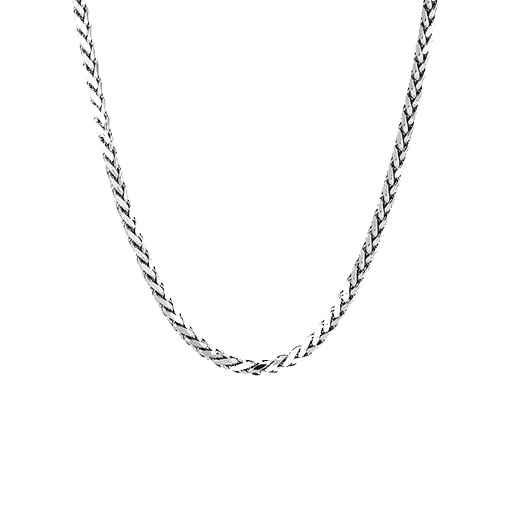
| Wheat |
 |
Links are braided to form a textured, V-shaped pattern that resembles a head of wheat, giving this chain a natural touch. |
| Beveled |
 |
G-shaped links with open interiors create a thicker chain that looks great on its own. |
Back to
Clasps & Chains
Back to top
Jewelry
Glossary
A B C D
E F G H I
J K L M N O
P Q R S T U V
W X Y Z
| Baguette
- A gem with a narrow rectangle shape. |
| Birthstones
- A set of twelve gemstones that are associated with births
during a specific zodiac sign or month of the year. Stones vary
by culture. |
| Bezel - The bezel is the part
of a cut stone that protrudes above the edge of a setting. The
bezel is also known as the crown. |
| Black Hills Gold
- Only jewelry manufactured in the Black Hills of South
Dakota can be sold under the name Black Hills gold.
It is designated as the official jewelry of the state of South
Dakota. |
| Body Color - The examination
of a diamond by an experienced eye, under consistent lighting,
against a white background and checked against "master"
diamonds. |
| Brilliance - The total amount
of light reflected from both the interior and exterior surfaces
of a diamond. |
| Carat (ct.) -
A unit of weight used to measure diamonds and gemstones. The
weight is often stated in fractions of a carat. A carat is divided
into 100 points, so that a diamond of 25 points equals 1/4 carat
and of 50 points equals 1/2 carat. |
| Certification - When an independent
company evaluates the quality of a diamond and the retail replacement
value, and places this information in a certificate of authenticity.
|
| Clarity - A term used to describe
the absence or presence of a gemstone's internal and external
flaws called inclusions. The grade
ranges from internally flawless (IF) to imperfect (I3). |
| Color - A term used to describe
the natural body color of a diamond. The more colorless a diamond,
the rarer and more expensive. With a range from D (least color)
to Z (most color). Color ratings of G through L are the most
common. |
| Created
- A gemstone made in a laboratory with the same properties as
a genuine gemstone. Also known as synthetic. |
| Crown - The faceted part (between
the flat table and the girdle) of a gem or diamond. |
|
|
| Cubic Zirconia - A man-made
gemstone that is a simulate of a diamond. |
| Cutlet - The small facet on the
pointed bottom of the pavillion on a diamond. |
|
|
| Cultured Pearls - Like natural
pearls, cultured pearls grow inside a living organism. However,
they do not begin as accidental intruders to the shell. Instead,
humans insert mother-of-pearl beads or other shapes into a mollusk.
Over time they become coated with nacre. The depth of the nacre
coating depends on how long the beads are left in place before
being harvested. |
| Cut - A gemstone's cut is what
gives it sparkle. The stone admits light through the top, it
bounces around inside and comes back out at the top. In this
way, the maximum amount of light is reflected. |
| Diamond
- A transparent gem made essentially of carbon which has crystallized
under immense heat and pressure in the earth's crust. It is
the hardest of all known natural substances. Hardness enables
the diamond to be cut with precise accuracy. |
| Facet
- A flat polished surface or plane on a diamond or gemstone. |
|
|
| Fire - This is a
diamond's ability to break up white light into the rainbow of
colors of the spectrum, or its dispersion. |
| Fractures - Whitish interruptions
on the surface of a gemstone where light does not pass through. |
| Fracture Filling - A treatment
applied mostly to diamonds, where fractures on their surfaces
are filled with a substance that blends with the gem to improve
clarity. |
| Freshwater Cultured Pearl - A
pearl from a freshwater mussel or clam, instead of an oyster. |
| Freshwater Pearl - A natural
or cultured pearl that grew inside of a freshwater mollusk. |
| Genuine
- A gemstone or diamond found in nature. |
| Girdle - The narrow rim around
a stone where the crown and pavillion meet. The portion that
is usually grasped by the setting or mounting. |
|
|
| Gold Filled - An item with a
sheet of gold applied to its surface by soldering, welding,
pressure or heat. Newer items contain markings that indicate
how much and what type of gold was used in the layer. A marking
of 1/20 12k G.F. means that the piece is at least 1/20th 12k
gold by weight. |
| Gold Plating (Electroplating)
- When a base metal is covered with a thin layer of gold using
the process of electroplating. The thin layer normally wears
away more quickly than gold in a gold-filled item. The layer
of gold must be at least .00001 of an inch thick, and cannot
be called karat gold. |
| Heat Treatment
- Commonly used to change or intensify the color of a gemstone.
The change alters a stone's structure and is usually permanent. |
| I.G.I.
- International Gemological Institute. The world's largest independent
appraiser of diamonds. |
| Inclusions - Internal flaws in a gemstone such as specks, carbon, tiny
bubbles, hairlines and other imperfections of crystallization.
Sometimes referred to as the "fingerprints" of a stone
because each stone has a unique set of inclusions and rarely
duplicated in another. |
| Journey Styling - Consists of 11 or more diamonds in a graduated setting. The gems grow in size, symbolizing the way love grows. |
| Karat (k)
- The percentage of fine gold in an object. 24k gold is pure,
but pure gold is too soft to be used for jewelry so other metals
are added. All gold is measured in terms of 24 parts. For example,
if an item is listed as 14k, it is comprised of 14 parts of
gold and 10 parts of some other metal. |
| Laser Drilling
- A process used to remove inclusions
(flaws) from diamonds, improving their clarity. |
| Loupe - A special magnifying
glass that enables you to take a closer look at a gemstone or
other object. It makes internal flaws and surface blemishes
more apparent for assessing color, cut and other aspects of
the stone. |
| Moissanite- Unique, lab-created gemstones reproduce the fire and brilliance of stones found in small portions inside meteorites. Their brilliance, fire and luster surpass other gemstones. They also exhibit exceptional hardness, as well as internally flawless, near-colorless forms. Every piece of Moissanite comes with a certificate of authenticity, as well as a limited lifetime warranty from Charles & ColvardŽ. |
| Murano/Venetian glass- Glass beads in a variety of colors with gold or silver leaf foiling directly inside the beads. |
| Mystic Fire Topaz - A topaz stone
that has been color enhanced by coating it with a fine layer
of metal atoms. The mystic fire topaz stone has red, green,
violet and blue color streaks. |
| Natural Gemstone
- A gemstone formed in nature, with no assistance from humans. |
| Natural Pearl - A pearl that
begins as a piece of grit or other foreign substance that makes
its way into the shell of a marine or freshwater mollusk (oysters,
clams). A defense mechanism kicks in to coat the particle with
layer after layer of a substance called nacre, eventually forming
a pearl. |
| Oiling
- A method used to seal a stone such as an opal from water loss.
It is also used to fill fissures on the surface of emeralds,
improving their clarity. |
| Organic Jewelry - Jewelry made
from or produced by once-living organisms. |
| Pavillion
- The bottom portion of a cut stone beginning at the girdle
and going to the point at its end. |
|
|
| Scintillation
- Winking or flashing of light from the facets of a diamond
as it moves. Scintillation explains why diamonds are much more
beautiful when they are in motion. |
Simulated -
A gemstone that is usually man-made and looks like a genuine
gemstone, but does not have the same properties. For example,
a cubic zirconia is a simulate of a diamond. |
| Solid Gold - 24-karat gold. Technically,
refers only to pure, or 24-karat gold. It can, however, also
describe karat gold that does not have a hollow center and has
at least 10-karat gold content. |
| Solitaire - A ring or other piece
of jewelry containing a single diamond or gemstone. |
Synthetic - A gemstone created by humans in a lab.
Synthetic stones mimic the structure of natural stones. It's
often difficult for gemologists to tell a synthetic from a natural
stone (also see created). |
| Table -
The flat top of a cut stone, sometimes called its face. |
|
|
Total Weight - Total weight (T.W.) refers to the total
weight of all the diamonds in a piece of jewelry. For example,
a cluster ring with a number of small diamonds may have a total
weight of 1/2 carat. |
| White Gold
- Adding alloys (other metals) in varying mixtures can actually
change the color of gold. Pure gold is mixed with the alloys
nickel, zinc and copper in order to obtain the white color. |
| Yellow Gold
- Yellow gold is pure gold mixed with alloys other than nickel,
zinc and copper (which gives us Karat gold). |
Back
to Jewelry Glossary
Back to top |
| |
| |
|
|
|
Watches
|
Time
out!
Take a minute to read our product guide for timeless watch
information.
|
At Kohls.com, we have an endless assortment of
watches to fit your personality, sense of style and everyday adventures.
So, where do you begin? Considering what type of power source you
would like is a good place to begin in other words, what
makes a watch tick?
Power
Sources
Mechanical
Battery
Light
Kinetic
|

|
Mechanical-Powered |
|
|
Before there were pea-sized batteries,
watches ran on mechanical power. Otherwise known as manually
powered, most mechanical watches require daily winding to
keep the tiny wheels and gears tickin' away. A timeless classic
this type of watch is still made, but is not as popular
as it once was.
How it works
A wind-up watch is actually powered by a spring. When the
watch is wound, the spring causes a mass to move back and
forth which acts as the timing element. Then, one or
more gears are connected to the spring and the mass to keep
the movement (time) of the mass at a constant pace.
Why this watch?
Mechanical watches can be considered collectible, like an
antique. They are not the most accurate or the cheapest, but
they offer a true piece of historic time. The appeal of a
mechanical watch lies more in one's appreciation of craftsmanship
and tradition than in technology.
Once wound, a mechanical
watch keeps time accurately for about 1-2 days. Although a
simple twist of the wrist a day is all that's needed, most
people now prefer to depend on a more modern
watch that requires less attention. But with good care and
habitual winding, a mechanical watch can run, literally, as
long as you want it to.
Back to Power Sources
Back to top
|
|
Mechanical
Watches
At a Glance ...
- Require daily winding.
- Spring power reserve of approximately
2 days.
- Limited special features available.
Who
should wear/buy this type of watch?
Anyone who:
- Enjoys collecting
timepieces.
- Appreciates traditional style
and fine craftsmanship.
|
|
|

|
Battery-Powered |
|
|
The most common power source for watches
today is batteries. In the beginning, battery-powered watches,
also known as quartz watches, allowed for more accurate time
keeping, slimmer, lighter designs and they opened up the world
of functionality.
How it works
A battery powers a piece of quartz shaped like a tuning fork.
An electrical charge from the battery causes the quartz to
vibrate, creating a steady frequency used to count or measure
time at an extremely accurate pace.
Why this watch?
Probably the largest benefit of battery-powered watches is
that they are easy to find and can be the most cost-friendly
when compared to some higher technological designs. Also,
battery-powered watches are made by almost every watch manufacturer
and are available with a large variety of optional functions.
Another benefit to battery-powered watches
is that they keep running without constant maintenance. Unlike
the mechanical watch, you can leave this type of watch on
your dresser or jewelry box for months on end and it will
still keep time. But remember, batteries don't last forever
so they will need to be replaced at some point in time
but here's a tip
Battery life expectancy is usually
a minimum of 12 months before you need to replace it. However,
batteries can last for a number of years depending on the
type of material used to make the battery and the voltage.
For example, a 3-volt lithium battery lasts longer than a
silver oxide 1.5-volt battery.
Back to Power Sources
Back to top
|
|
Battery-Powered
Watches
At a Glance ...
- Highly accurate due to use of
quartz.
- Cost-friendly.
- Unlimited special features.
- Replace battery every
1-3 years.
Who should wear/buy this type
of watch?
Perfect for people who:
- Own several different watches.
(Because they require
little to no maintenance to keep time accurately,
you can leave them sitting on your dresser or jewelry
box for the longest period of time.)
- Prefer digital or a LCD
screen.
(Battery-powered watches are
the only watch type that offers digital time or other
LCD screen functions.
|
|
|

|
Light-Powered |
|
|
It starts with a simple, yet revolutionary
concept: a watch that never needs a battery! Although not
completely new on the watch scene, light-powered watches are
one of the latest developments in watch design and technology.
Therefore, they have not become as common as the typical battery-powered
watch, but it's possible that they are on their way!
Currently, Citizen®
with their Eco-Drive model is the most well-known brand that
offers light-powered watches. (There are also other manufacturers,
such as Seiko's Pulsar Solar model.)
How
it works
Citizen Eco-Drive technology harnesses the power of light
from any natural or artificial light source
and converts it into energy.
Light passes through
the sapphire glass face (1) and a high-porous dial (2). Then
by the mechanism of a solar panel (3) and a charging device
(4), light is converted into energy.
|
|
Light-Powered
Watches
At a Glance ...
- Battery free!
Powered by natural and artificial light.
- Environmentally friendly
no battery to dispose of.
- Can run from 2-6 months on its
stored energy.
Who should wear/buy this type
of watch?
Perfect for people who:
- Enjoy being outdoors.
- Wear the same watch almost
all the time.
- Appreciate innovative technology.
|
|
| The key to Eco-Drive
lies in its reserve energy storage cell (5). This energy storage
cell does not contain any harmful chemicals as an ordinary battery
would. It is a lithium-ion device that stores the energy converted
from light.
Why this watch?
The main advantage to having a light-powered watch is that
it's battery free. They recharge by themselves so you don't
have to worry about trips to the mall for a new battery. When
fully charged, a light-powered watch can run from two to six
months on its stored energy!
Back to Power Sources
Back to top
|
|
|

|
Kinetic-Powered |
|
|
Kinetic watches are another type of
watch that will leave battery replacement behind! Instead
of batteries, the movement of your arm or body is the power
source for kinetic watches. Kinetic power is not a new technology,
but what's done with the energy that is created from the movement
is what sets these watches apart from the rest!
Currently, Seiko® is one of the biggest
manufacturers in the lead of kinetic-powered watches with
their Seiko Kinetic model.
How it works
The basics behind kinetic watches are not much different than
an automatic watch or a self-winding watch. A semicircular
weight is attached to an axis as your arm or body moves,
the weight swings back and forth creating energy. In an automatic
watch, when this weight swings, it is actually winding the
spring of
the watch.
With a kinetic watch, there are a few differences
in the mechanics. The first is that they have quartz movement
like a battery-powered watch. In a kinetic watch, this means
that the swinging weight is actually creating the energy that
charges the piece of quartz to vibrate and hold its steady
frequency.
The second difference is that once the electrical
charge is created, a kinetic watch is able to store the energy
in a capacitor. The capacitor then acts like a rechargeable
battery allowing the watch to keep accurate time much
longer than an automatic.
Why this watch?
The benefits of kinetic watches are the same as light-powered
watches. They don't require a battery and are more environmentally
friendly than a battery-powered watch.
A kinetic watch can store enough energy to
keep time for up to six months. However, usage of a watch
winder will allow you leave your watch in a jewelry box or
valet for even longer.
Back to Power Sources
Back to top
|
|
Kinetic-Powered Watches
At a Glance
- Battery free! Powered by
the movement of your arm and body.
- Environmentally
friendly no battery to dispose of.
- Can run for up to 6 months
off its stored energy.
Who should wear/buy this
type of watch?
Perfect for people
who:
- Enjoy an active lifestyle.
- Wear the same watch almost
every day.
- Appreciate innovative technology.
|
|
|
Features
Another deciding factor when shopping
for a watch is special features available from calculators
to chronographs, you can get a watch fully loaded for your
lifestyle! However, sometimes it can be a bit confusing trying
to figure out what these features do for you. Browse through
our list below to learn about some popular features found
in many watches today.
| |
Alarm
This feature allows you to preset an alarm to sound and
can be found in sport- and casual-style watches. |
 |
Analog
Display
A non-digital display used to tell time. One or more hands
rotate around a dial with numbers or number markers. This
feature is most popular with dress watches, but is easily
found in all styles of watches. Also, almost all mechanical,
light-powered and kinetic watches are only available with
analog display. |
 |
Calendar
The calendar is one of the more popular features in all
styles and power types of watches. It's most commonly
available with either just the date displayed or the date
and month displayed.
|
| |
Compass
A compass is an excellent safety feature to have on your
watch, especially for outdoor enthusiasts. It helps determine
direction with a magnetic needle(s) that points to the
magnetic north. This feature is most often found in sport-style
watches and is available in all power-types of watches. |
 |
Chronograph
A chronograph acts as a stopwatch by measuring and recording
time, i.e., lap time. It usually appears as a smaller
dial on analog displays and is accessible at the touch
of a button for digital displays. Chronograph features
are available in all power types of watches and are most
popular in a sport-style watch.
|
 |
Digital
Display
A digital watch displays time in actual numbers on an
LCD or LED screen, instead of a hand that rotates around
markers or numbers. Digital watches are available in sport
and casual styles. A digital display is most commonly
found in battery-powered watches. |
| |
Dual
Timer (Dual Time Zones)
A watch that has dual timers is able to keep local time
along with time from another time zone. This can be displayed
with two dials, an extra hand or switched over to a different
zone with a button depending on the type of watch. The
dual-timer feature is available in all power types of
watches. |
 |
Lighted
Dials
The dial, or face, of the watch lights up for better visibility
in the dark. This light is usually activated by a button
on the side, such as the Indiglo® by Timex®. Lighted
dials are more common in casual and sport styles than
dress and are only available in battery-powered watches. |
 |
Luminous
Many watch styles may not have lighted dials but they
may offer luminous parts, such as hands or markers, for
better visibility at night. A self-illuminating material
or paint is used on the hands and/or markers that causes
these objects to glow in the dark. Luminous parts are
common in all styles and power types of watches. |
 |
Perpetual
Calendar
A perpetual calendar appears to be just like a regular
calendar feature, except it is automatic. You never have
to reset the calendar, it's always right it even
adjusts for leap years! The perpetual calendar was trademarked
by Seiko® but similar technologies can be found in
other models. |
| |
Power
Reserve
You may hear or see this phrase when shopping for a mechanical,
automatic or quartz watch. The
power reserve is the amount of time the watch will keep
time accurately once fully charged. |
| |
Shock
Resistant
This feature can most often be found in sport watches.
Shock-resistant watches are able to be worn during vigorous
activities without jarring the small parts inside the
watch. |
 |
Subdial
Subdials are smaller dials on the larger main dial used
to keep time in a different time zone or measure elapsed
time. Sometimes the subdial is simply the second hand.
This feature can be found on all styles and power types
of watches. |
 |
Tachometer
This feature allows the wearer to calculate the speed of travel
using the numeric scale on the bezel.
Tachometers are not extremely common and are usually found
on flight-style watches. |
Back to Watch Features
Back to top
Watches
Glossary
A B
C D E
F G H
I J K L M
N O P
Q R S
T U V W X Y
Z
| Alarm
- This feature allows you to preset an alarm to sound.
|
 |
Analog
An analog watch is nondigital. One or more hands spin
around a dial of numbers or
number markers. Most mechanical, light-powered and kinetic
watches are only
available in an analog style.
|
|
|
Bangle
Band
A stiff, ornamental watch band that slips or clasps on.
This is a popular style with women's fashion and dress
watches. |
|
Battery Life
The period of time a battery will continue to produce
power. If battery life is low, your second hand will
start to jump every four seconds before it stops completely.
|
 |
Bezel
The bezel of a watch is the ring that holds the protective
crystal in place. Some watches have rotating bezels
that you can use for timing purposes. If a watch has
more than one rotating bezel and numeric scales, it
can be used for certain types of calculations.
|
|
|
Bracelet
Band
A metallic watch band that fits loose like an ornamental
band. Bracelet bands are common with both men's and women's
dress and casual watches. |
 |
Calendar
A calendar feature is one of the more popular options
available. Depending on the style of the watch, the
calendar may show the day, date and month or just the
date. Calendar features can be found in all power types
of watches.
|
|
|
Changeable
Band
Features interchangeable watch faces, bands or charms
to offer a variety of looks. |
|
Compass
This is an excellent safety feature, especially for
outdoor enthusiasts. A compass helps determine direction
with a magnetic needle(s) that points to the magnetic
north. A compass function is available in all power
types of watches.
|
 |
Chronograph
A popular feature for sport watches, a chronograph acts
as a stopwatch. It measures
and records time, i.e., lap time. Chronograph features
are available in all power-types
of watches.
|
|
Crystal
The watch crystal is the clear, hard material that covers
the watch face. Watch crystals come in many different
materials. For example, there is scratch-resistant mineral
crystal, non-reflective crystal (popular with sport
watches) or the sapphire crystal used in light-powered
watches, which is the one of the most expensive and
durable.
|
Day/Date
The day/date function is the same thing as the calendar
feature which is commonly referred to as day/date.
|
|
|
Digital
A digital watch displays time in actual numbers on an
LCD or LED screen, instead of a hand that rotates around
markers or numbers. Digital watches are usually found
in battery-powered styles only. |
|
Dual Timer
(Time Zones)
A watch that has dual timers is able to keep local time
along with time from another time zone. This can be
displayed with two dials or just an extra hand. The
dual timer feature is available in all power types of
watches.
|
Eco-Drive
Eco-Drive is Citizen's
light-powered technology. Their Eco-Drive models absorb
light, store it and convert it to energy to power the
watch.
|
|
Expansion
Band
Comfortable band with linked, expandable metal pieces
that widen to fit your wrist. Found on dress and casual
watches.
|
Face
This is the part of the watch where the dial is. Many
times, face and dial are used to mean the same area.
|
|
Frequency
Number of times a function is repeated. For a watch,
this usually means the number of vibrations in a second
by the quartz piece found in battery-powered watches
as well as some automatic styles.
|
Gold
A yellow metallic element.
|
Hands
Watch hands are the linear pieces attached to the center
of the dial that rotate around the watch pointing at
the numbers or number markers as time is measured. A
typical watch has 2 to 3 hands: the hour hand is always
the longest, the minute hand is shorter than the hour
hand and the second hand is as long as the hour hand
but thinner.
|
Kinetic
Movement (Power)
Kinetic watches are powered by the movement of your
arm and/or body. This movement causes a weight in the
watch to swing creating energy to charging the frequency
of a quartz piece. The energy is also able to be stored
in a capacitor to keep the watch working while your
arm or body is not moving.
|
|
|
Leather
Band
A durable band that offers a casual look and comfortable
feel. |
 |
Lighted Dial
Lighted dial simply means that the dial, or the face,
of the watch lights up for better visibility at dark.
This light is usually turned on by a button on the side
such as in Indiglo® by Timex®.
|
 |
Luminous
Many watch styles may not have lighted dials but they
may offer luminous parts such as hands or markers. A
self-illuminating paint or material is used on the hands
and/or markers that causes these objects to glow in
the dark.
|
|
| | | |